
The One Yard Chore Every Hudson Valley Homeowner Should Do Right Now
It may be too soon to mow or fertilize, but there is one important job every Hudson Valley homeowner should do right now to make sure they have a green lawn this spring.
It may not feel like it's time for yard work yet, but across the Hudson Valley, lawns are starting to wake up after a long winter. As the snow melts and the ground softens, many homeowners are stepping outside and realizing their yard didn’t exactly come through the cold months looking its best.
That’s where a simple, but important landscaping chore comes into play.

Why Your Yard Looks Terrible Right Now
After sitting under over a foot of snow for months on end, your lawn is probably looking a little rough. Leaves, pinecones and branches that were trapped under that snow are likely sunken into the soil, matting down the grass.
As the snow melted, you may have also discovered mouse trails and even some mouse nests that kept the little critters safe and warm under all of those layers of snow.
While it might seem like a simple chore, raking your lawn in early spring, long before the grass starts growing, plays a big role in helping your grass recover from months of snow, ice, and heavy foot traffic.
Why Spring Raking Should Happen Now in the Hudson Valley
Aside from all of the debris, homeowners need to remove thatch if their lawn is going to become thick and lush. Thatch is a thin layer of dead grass that can build up between the soil and the healthy grass blades. If it gets too thick, it can block water, air, and nutrients from reaching the roots.
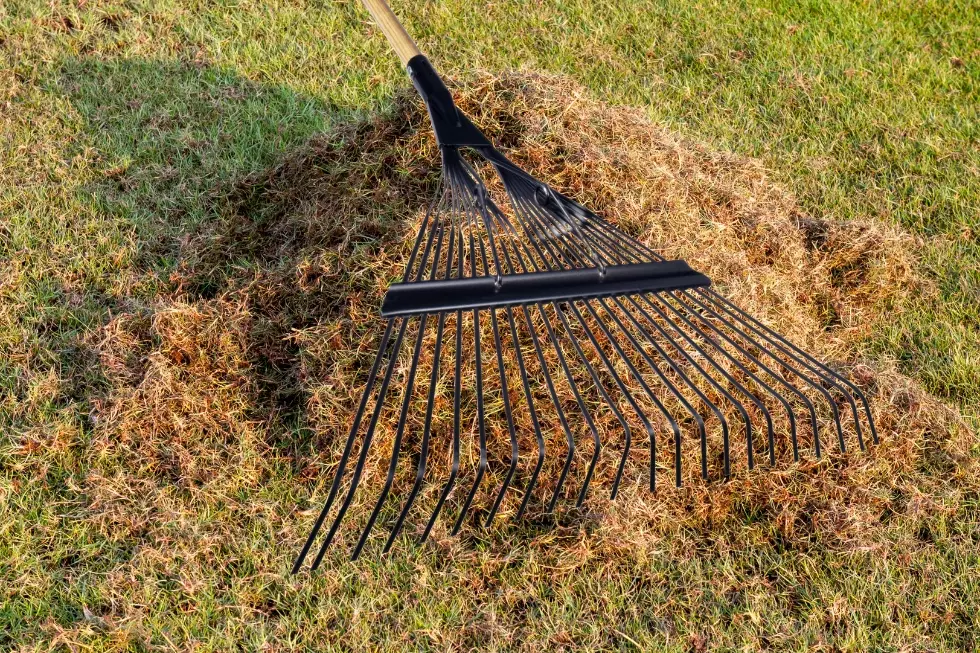
Raking helps remove unsightly debris, loosen matted grass, break up thatch, and improve airflow so your lawn can start growing again.
When to Start Raking
If the ground is still soggy from melting snow or early spring rain, raking too soon can actually do more harm than good. Going too hard with the rake on a wet lawn can damage the roots. The best time to start is when the lawn feels mostly dry and firm underfoot.
Here in the Hudson Valley, that usually means late March through April, depending on the weather.

How to Rake the Right Way
Spring raking is a little different than clearing leaves in the fall. This is not a job for a leaf blower. The goal is not to aggressively pull at the grass, but to gently lift and loosen areas that have become compacted. You may need to pay extra attention to pinecones and sticks that have become buried in the soil.
Experts suggest using a flexible leaf rake rather than a heavy metal garden rake. Work in light strokes and avoid digging into the soil. Focus on areas where the grass looks flattened or discolored.
You may notice patches that appear thin or bare after raking. That’s normal, and those spots can be reseeded once temperatures warm up a bit more.
Time to Inspect Your Lawn
Doing this work now is also a great way to inspect your lawn for problem areas. As you rake, keep an eye out for signs that your lawn needs extra attention. These can include:
- Matted grass that doesn’t spring back
- Patches of mold or fungus
- Areas where water seems to pool
- Bare spots caused by snow piles, animals or foot traffic
- Salt damage near driveways
By "fluffing up" your lawn now, you'll not only be able to address these issues, but also give your grass a great head start before it begins growing over the coming months.
If You See Purple Paint in New York You Need To Leave Right Away
More From WPDH-WPDA