Rhinebeck’s Long-Lost Claim to Fame Unknown to Most Fair Visitors
The thousands of visitors descending upon Rhinebeck for the fair this week have no idea that the town was once world-famous for growing a very special flower.
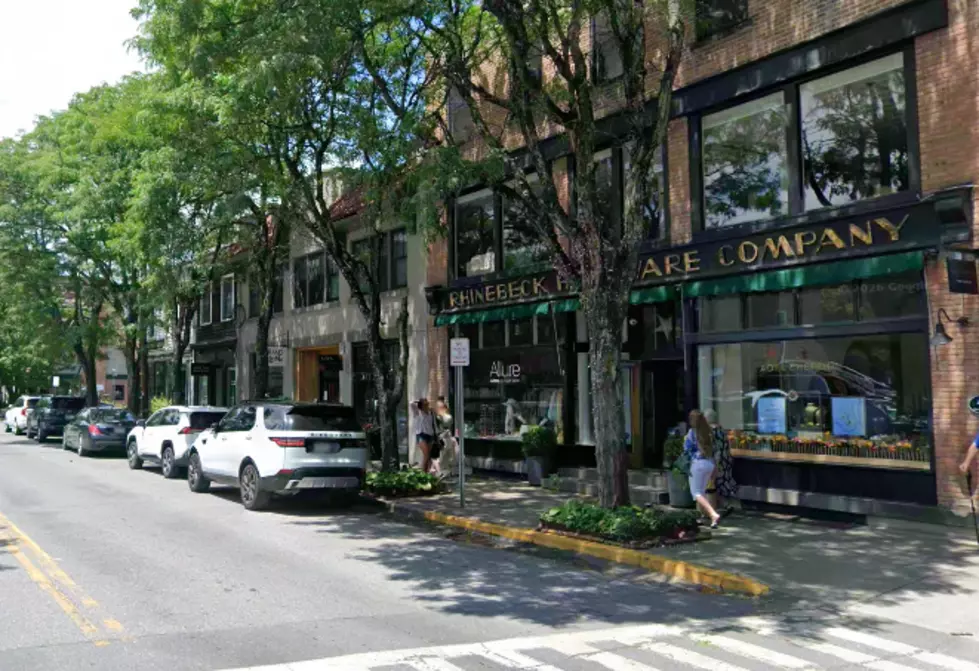
Today, Rhinebeck is celebrated for its restaurants, shops, historic buildings and the movie stars who occasionally wander through town. But more than 100 years ago, the small Dutchess County community was widely known for something completely different.
At one point, Rhinebeck was responsible for an incredible 90% of the violets grown in the United States.
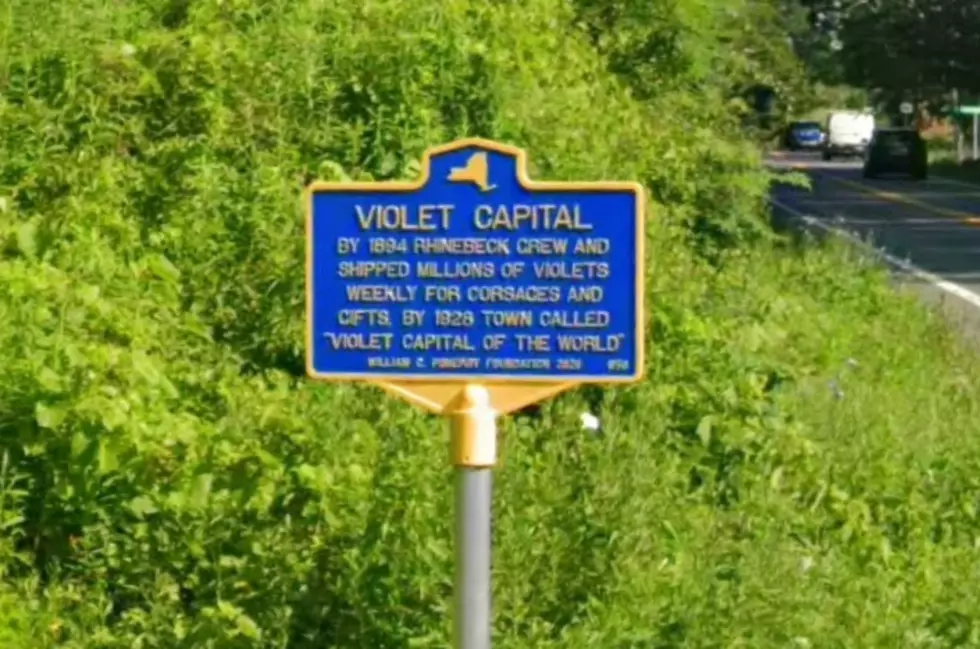
The flower business was so big that Rhinebeck eventually earned a nickname that has mostly been forgotten today: the "Violet Capital of the World."
Rhinebeck, New York Was Once Covered in Violets
The Hudson Valley's violet industry dates back to the late 1800s, when growing the flowers became big business in Dutchess County.
George Saltford is credited with building Rhinebeck's first violet greenhouse and helping turn the flowers into a commercial industry. In 1902, Saltford even published a book called How to Make Money Growing Violets, explaining everything from watering the plants to picking, bunching and shipping them.
By 1910, there were 116 violet growers in the Rhinebeck area generating more than $1 million in revenue. At its peak, hundreds of greenhouses could be found around Rhinebeck and neighboring communities.
In 1923 alone, an estimated 40 million violets were being grown in Rhinebeck's greenhouses.

Millions of Hudson Valley Violets Shipped Across America
Violets were incredibly fashionable during the late 1800s and early 1900s, especially for corsages worn around Valentine's Day and Easter. Rhinebeck growers initially shipped their flowers to New York City, but eventually began sending them to cities across the country.
The flowers were such an important part of the local economy that Route 9G through Rhinebeck became known as Violet Avenue, a name it still carries today.
Historical accounts say there were so many greenhouses and flowers in Rhinebeck that during violet season, the flowers could be smelled throughout town.
What Happened to All of Rhinebeck's Violets?
Unfortunately, Rhinebeck's violet boom didn't last.
After World War I, clothing styles began changing and large corsages weren't nearly as fashionable as they once were. Roses and orchids also began replacing violets as popular cut flowers.
Disease and rising production costs made things even more difficult for local growers.
There was a brief resurgence during the 1930s, thanks in part to Eleanor Roosevelt. The First Lady was a fan of Dutchess County violets and famously wore them, helping to bring some attention back to the local industry. But it wasn't enough to return Rhinebeck to its glory days.
By 1938, violet production had dropped to about 15 million flowers per season. The remaining growers slowly disappeared over the following decades, with Rhinebeck's last large-scale violet operation finally closing in 1979.

Reminders of Rhinebeck's Violet History Are Still Here
While the acres of greenhouses are gone, there are still clues to Rhinebeck's unusual past hiding in plain sight.
Aside from Route 9G's Violet Avenue nickname, The Museum of Rhinebeck History has also embraced the flower as part of its logo, and a historical marker on Route 9G commemorates the town's former title.
So, while you're stuck in traffic on your way to the Dutchess County Fair, take a look around and imagine nothing but fields of vibrant violets and you'll get a sense of what Rhinebeck looked like back in the 1800s.
Haunted Hudson Valley Spots
Gallery Credit: Haunted History Trail
More From WPDH-WPDA