The Bird You’re Encouraged to Kill at Your Bird Feeder in NY
There's an unwelcome guest at most Hudson Valley bird feeders that wildlife experts say needs to be removed from your yard.
For most Hudson Valley bird lovers, a backyard feeder is all about attracting colorful songbirds. Cardinals, chickadees and goldfinches are always welcome visitors. But there's one bird that wildlife experts say you shouldn't be rooting for.
In fact, it's one of the few birds in New York that you're actually encouraged to destroy.
Invasive Species at Your Feeder
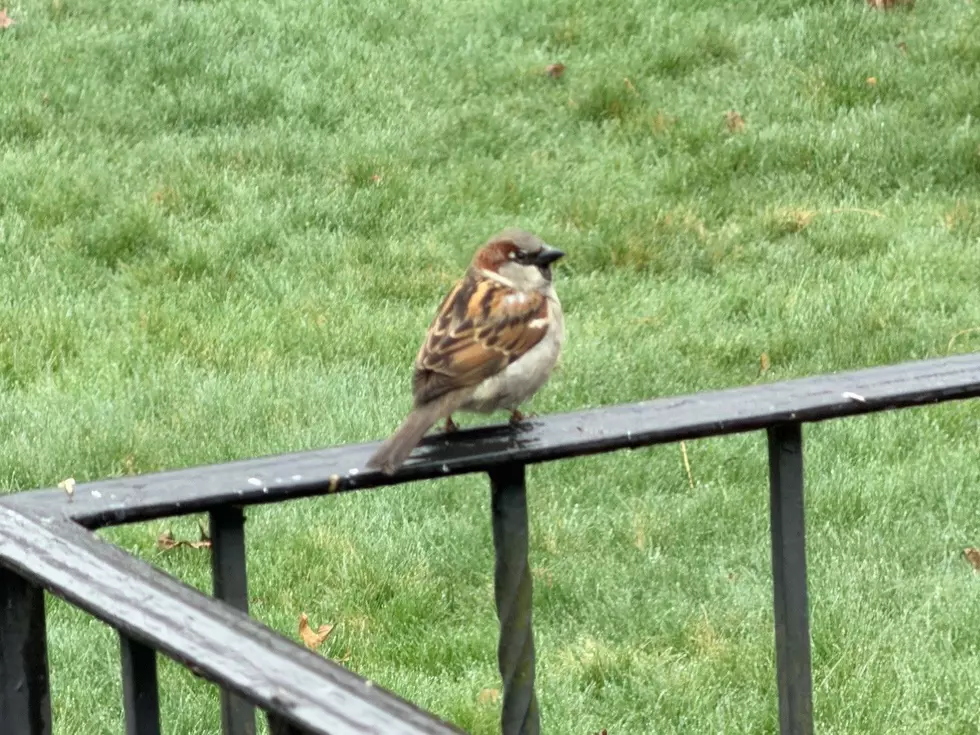
Despite its name, the house sparrow isn't native to North America. The species was introduced from Europe in the 1850s, when birds were released in Brooklyn in an attempt to control insects.
Today, house sparrows are found across New York and much of the United States. They're considered one of the country's most successful invasive bird species.
Why They're Such a Problem
House sparrows are aggressive competitors that can take over birdhouses, often forcing native birds out and preventing them from breeding.
Wildlife experts say house sparrows have been known to destroy eggs, kill nestlings and even attack adult bluebirds, tree swallows, chickadees and wrens to claim nesting sites. Because they breed several times a year and adapt easily to neighborhoods and farms, their populations can grow quickly and crowd out native birds.
If you've ever seen a bluebird box suddenly occupied by noisy brown sparrows, there's a good chance they forced the original residents out.
Why It's Legal to Kill Them
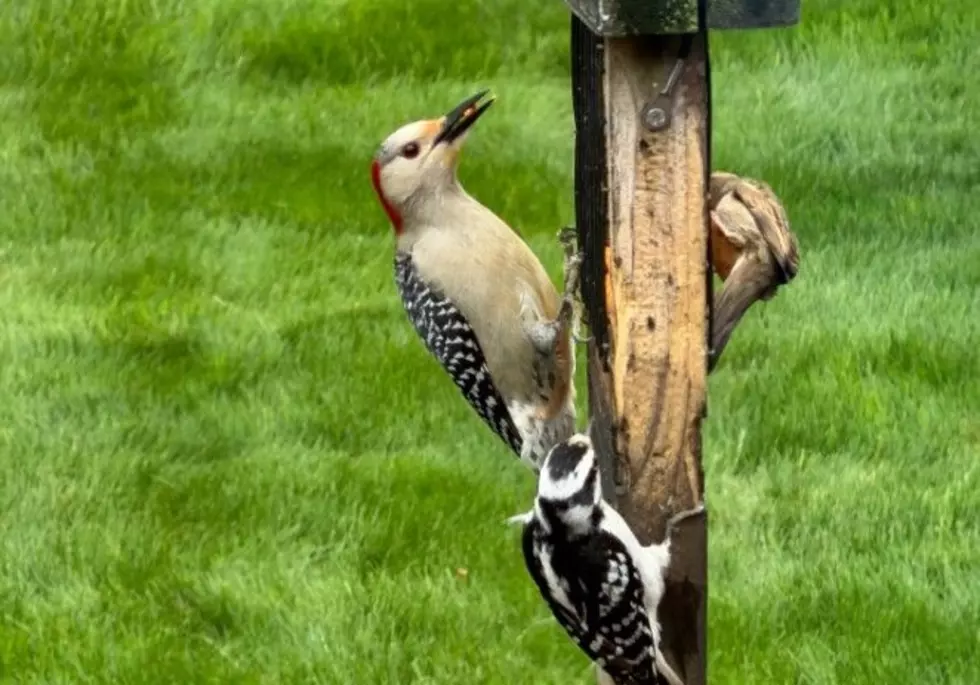
Most birds in New York are protected by state law and the federal Migratory Bird Treaty Act. House sparrows are an exception.
Because they're a non-native invasive species, they're not protected under federal law. That means they may legally be trapped and euthanized in New York.
Wildlife organizations stress that proper identification is critical before taking any action, since native sparrows are protected and can look similar.
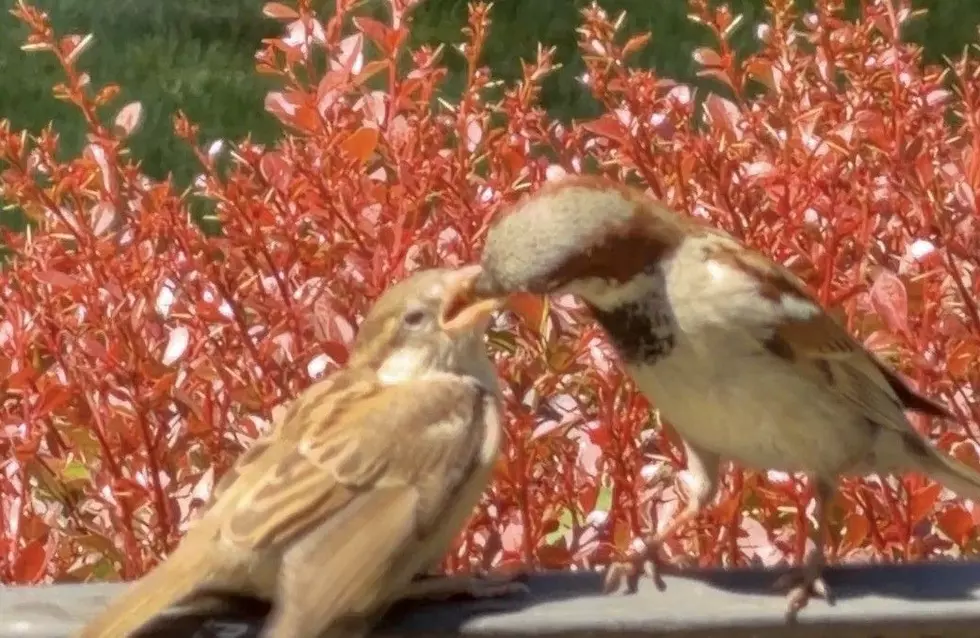
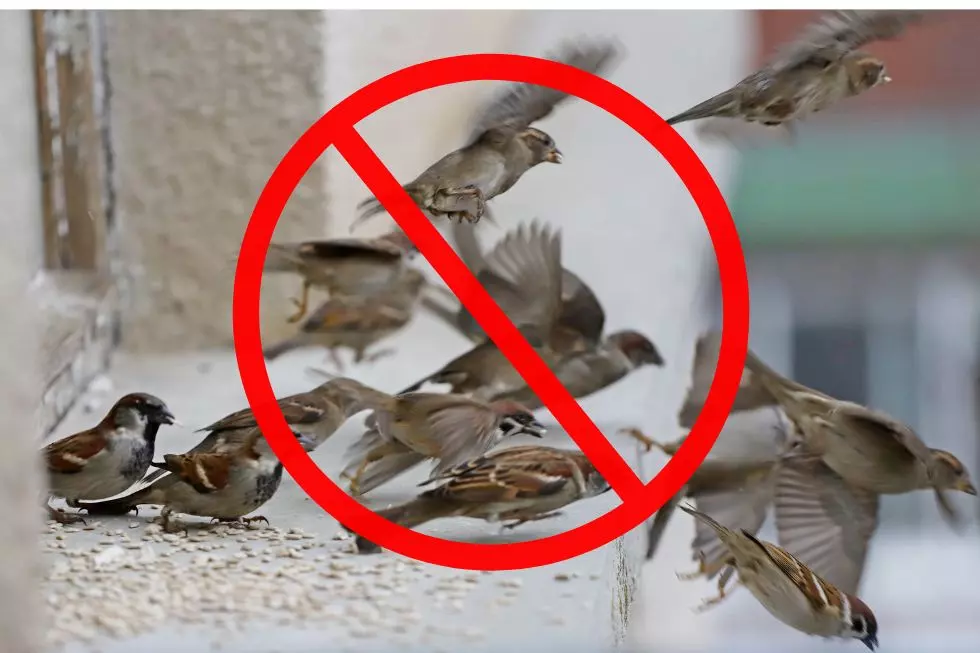
House sparrows are small, stocky birds that are usually about six inches long. Males have gray heads, black bibs under their beaks and rich brown backs streaked with black. Females are plainer, with light brown feathers, a buff-colored stripe behind the eye and no black markings. Unlike many native sparrows, house sparrows are commonly seen around homes, parking lots, restaurants and backyard bird feeders, often gathering in noisy flocks.
Even if you don't want to trap them yourself, experts say removing house sparrow nests from birdhouses before eggs are laid and making nesting areas less attractive can help protect native birds.
For many Hudson Valley bird watchers, keeping house sparrows away is one of the best ways to give bluebirds and other native species a better chance to thrive.
15 Chance Wild Animal Encounters In New York
Gallery Credit: Karolyi
More From WPDH-WPDA