

Hyperphagia is Driving Hudson Valley Bears Crazy; What is it?
If it seems like black bears are suddenly everywhere in the Hudson Valley, you can blame it on something called hyperphagia.
As summer begins to wind down, bears are preparing for a dramatic change in their eating habits that will have them spending much of their time searching for their next meal.
This sudden obsession with consuming calories is called hyperphagia, and it can make bears much more noticeable around homes and neighborhoods as they attempt to pack on the pounds before winter.
What Is Hyperphagia?
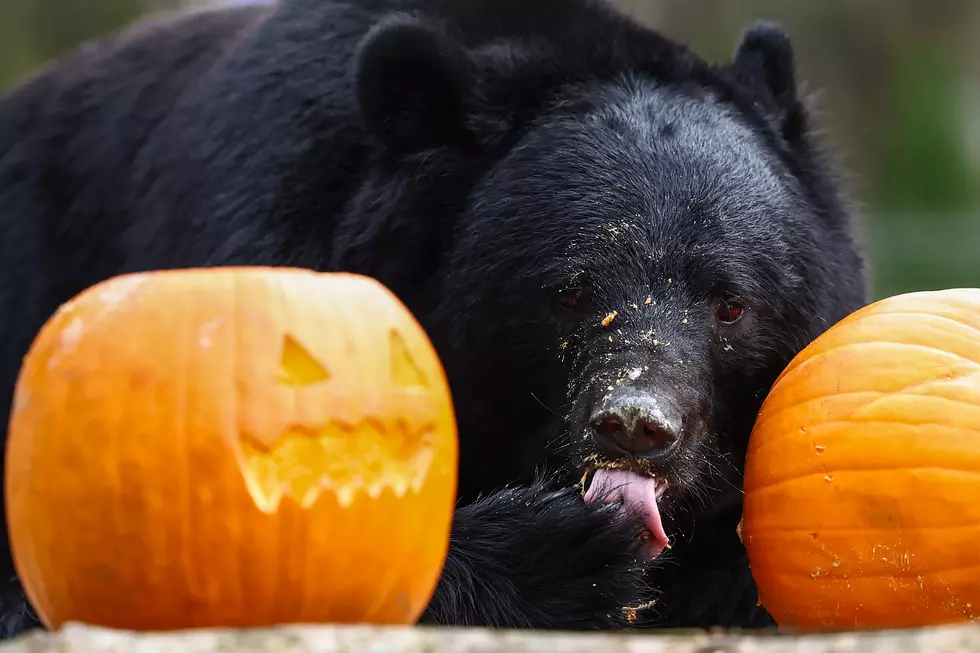
Hyperphagia literally means excessive eating, and for black bears it's an important part of preparing for their winter dens.
During this period, bears dramatically increase the amount of time they spend eating and searching for food. Their goal is to build up enough fat to sustain them through the winter when they won't be regularly eating or drinking.
A black bear that normally spends part of its day looking for food can eventually spend most of its waking hours eating during hyperphagia.
That means bears that may have remained hidden earlier in the summer can become much more noticeable.

Why Hudson Valley Bears May Start Showing Up Near Homes
The Hudson Valley has plenty of natural bear food, including berries, nuts, insects and other vegetation. As summer transitions into fall, bears also begin searching for calorie-rich foods like acorns and other tree nuts.
The problem is that humans provide some pretty tempting alternatives.
Garbage cans, bird feeders, pet food, grills, compost piles and even food left inside vehicles can provide bears with an enormous number of calories without requiring much effort.
This is why late summer and fall are especially important times for Hudson Valley residents living in bear country to make sure food isn't accidentally being left outside.
Garbage should be secured, grills should be cleaned after use and pet food shouldn't be left outdoors. Bird feeders can also become an easy target for a hungry bear.
Despite the name, hyperphagia doesn't make black bears "crazy" or automatically aggressive. It does, however, give them a powerful motivation to find food.
A bear focused on consuming as many calories as possible may take greater chances to get an easy meal, especially if it has already learned that homes and neighborhoods are reliable places to find food.
That's also why intentionally feeding a bear is such a bad idea. Bears that become comfortable around people can quickly become a problem for both residents and the bear itself.

Bear Activity Will Continue Into The Fall
Hyperphagia becomes especially intense as fall approaches, so bear activity around the Hudson Valley won't necessarily disappear when summer ends.
In fact, residents may notice even more determined food-seeking behavior as bears continue preparing for winter.
So if a black bear suddenly starts wandering through your yard or checking out the neighborhood garbage cans, it probably hasn't lost its mind. It's just hyperphagia.
LOOK: What black bears want, and how to deter them
Gallery Credit: Mike Brant
More From WPDH-WPDA